
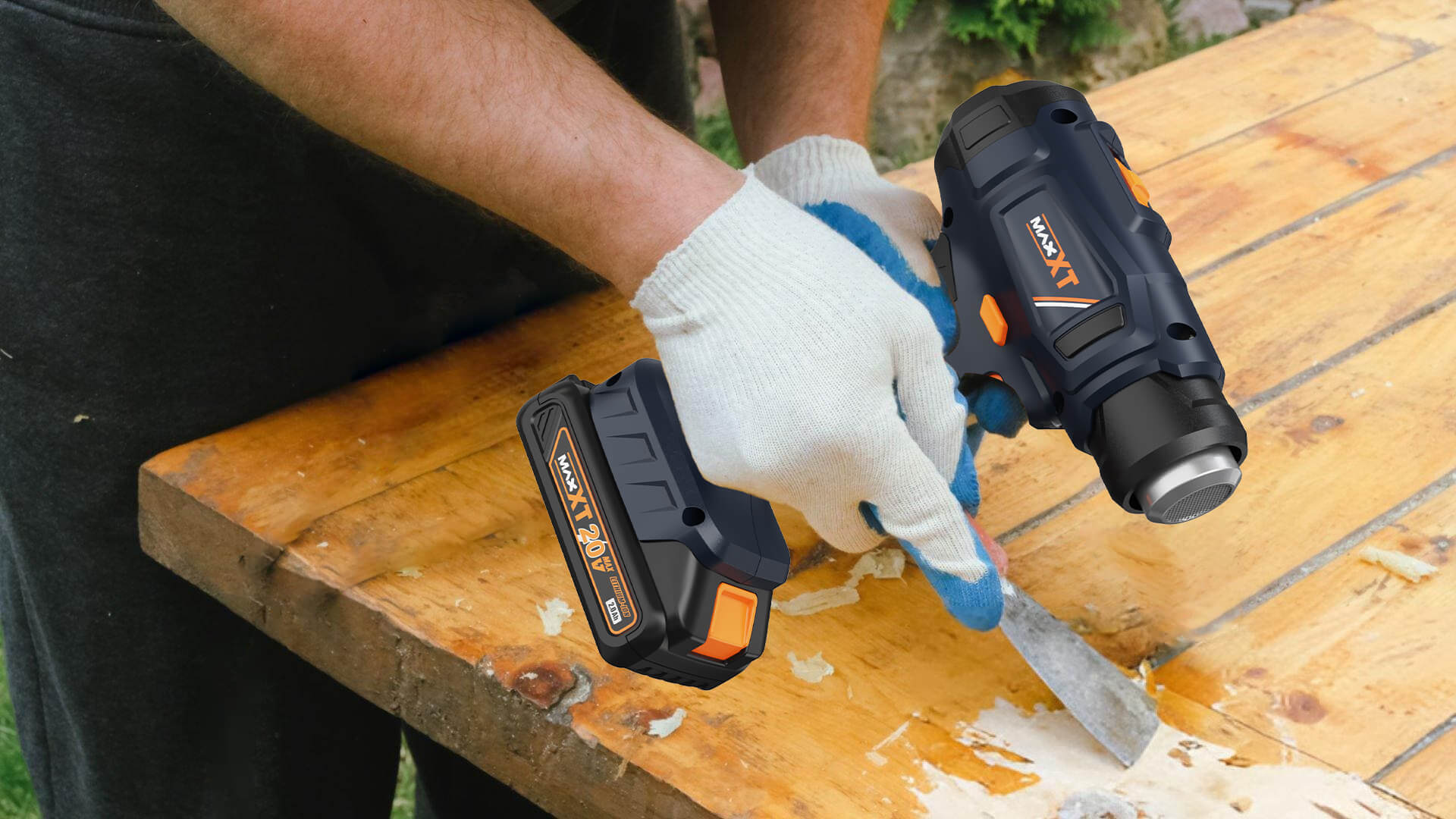
At first sight, you are likely to assume that a heat gun is a hairdryer. They are both portable, can be connected to power, and produce hot air, so of course, they are the same thing, right? Well, not really. Although visually, the look and feel of these two appliances are similar, these are definitely not the same type of tools. Using the wrong one for your purpose might lead to poor results, or worse, dangerous outcomes, injuries, or damaged materials
Today, we’ll separate a heat gun from a hair dryer, define their applications, talk about which tasks we can replace with any of them, or other safety precautions so you can not only have it but also be able to use it safely.
Heat Gun and Hair Dryer – A Quick Overview
Let us start by getting an overview of what these tools are.
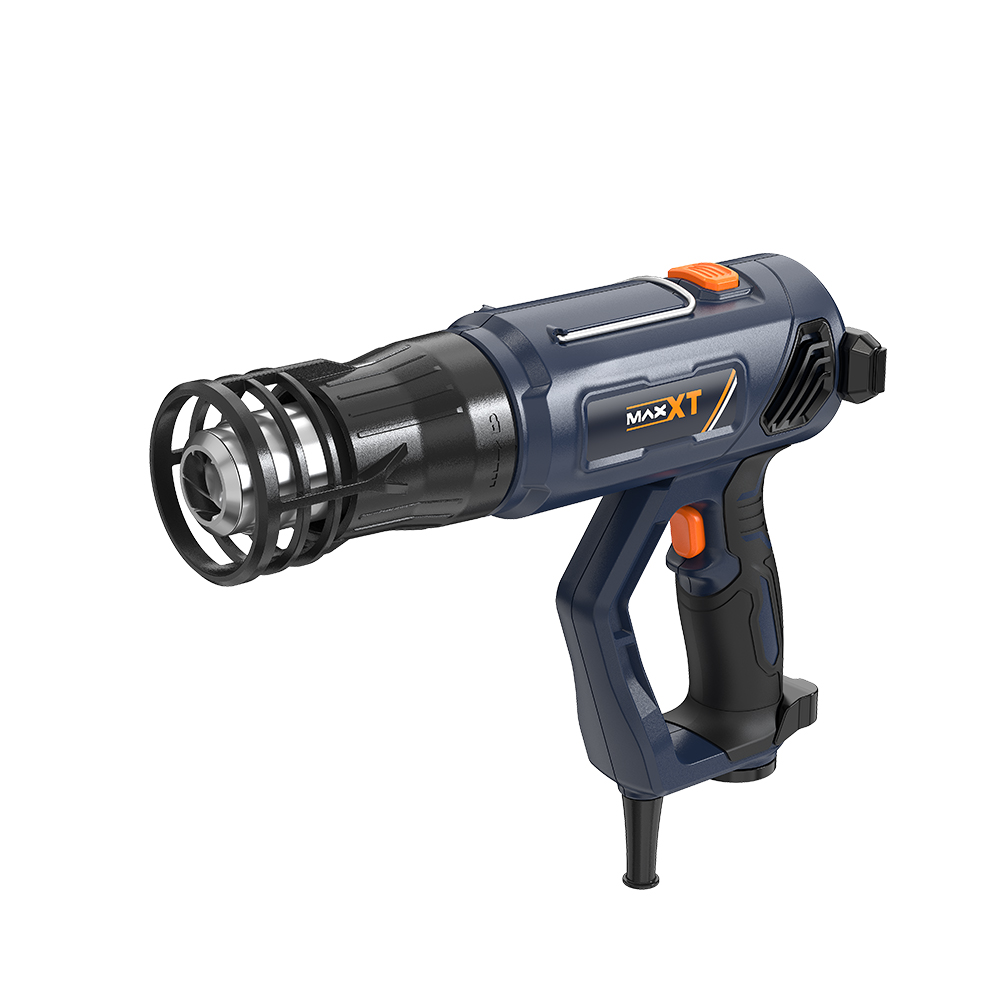
A heat gun is a tool that creates very high temperature hot air at 100°C or more, and it is suitable for doing tasks like paint stripping, heating and shrinking the tubing in electronics, or using it to thaw frozen pipes. Heat guns come in such varieties as industrial and consumer, the latter type being lighter and smaller, and they are respected for the accuracy and intensity of the utilized power.
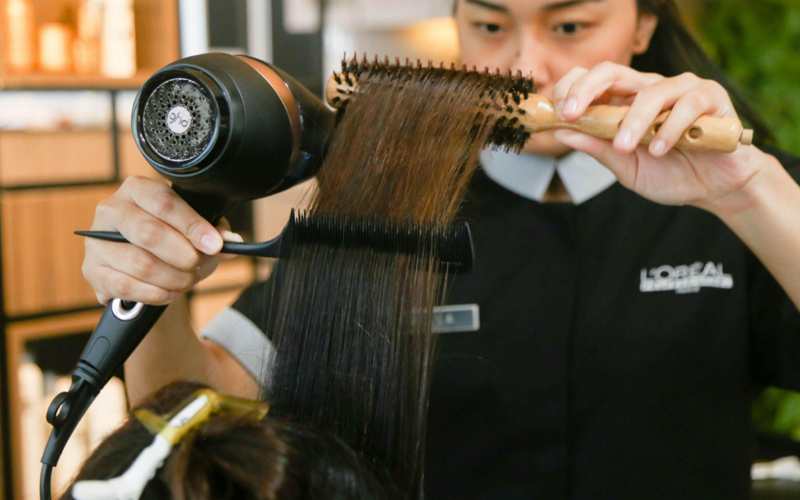
As for a hair dryer, it is a machine for personal hygiene that is made for drying hair quickly and with minimal risk. It is primarily used in a cooler way, i.e., the temperature is between 60°C and 120°C, and it is mostly used for the scalp daily. But quite a few people who do handiwork and some of the DIY enthusiasts have opted for such small activities as even drying the watercolor picture, or at times, being a little help with heat shrinking by a hairdryer.
Key Differences Between a Heat Gun and a Hair Dryer
Temperature is the biggest differentiator of hairdryers and heat guns. The heat of a heat gun is considerably more focused than that of a hairdryer, and is quite useful for tasks that need the application of concentrated heat, for instance, glue removal or bending plastic. However, the heat of a hair dryer as compared to the heat gun reveals whether a user is a light home, DIY, or even an industrial user.
Flow of Air
The flow of air is also a point worth attention. An example of a heat gun provides a unified and exceedingly thin current of air for a user to point at a single spot, easily warming that spot. In comparison, a hairdryer is designed to cover large areas with warm air equally and gently. This is advantageous for hair and crafts, but it is unnecessary for those who need exactness.
Safety
The safety and material match are also factors that are very distant from each other. The main drawback of heat guns is that they easily cause objects made of plastic, paper, or fabric to catch fire or melt if these tools are used in a clumsy way. On the other hand, hairdryers are safer for users, offering twice as much safety and thus, leaving them free to work on the project or new skills.
Design
Regarding design, heat guns’ products are generally provided with cooling features, nozzles of different sizes (for concentrated work), and some are even more massive. Hair dryers often come with attachments like diffusers or concentrators, but their primary purpose is to offer convenience, safety, and ease of use for the individual.

Which One Should You Use for DIY Tasks?
Now that we have covered the basic differences, let’s take a look at how each tool performs in popular DIY scenarios.
Shrink Wrap (Packaging, Electronics, Cable Management)
Whether in packaging, electronics, or cable management, heat is everything. A heat gun is the better choice here because it produces the intense, concentrated warmth needed to shrink materials quickly and evenly. A hair dryer may struggle to generate enough heat to do the job well.
Vinyl Wraps (Automotive or Home Décor)
Such as automotive applications or home décor projects, precision and high temperature are essential. Vinyl becomes pliable when heated and then sticks smoothly to surfaces. A heat gun excels here, especially models with temperature control settings. Using a hair dryer might work in a very limited way, but the finish will not be as smooth or last as long.
Phone Repairs (Loosening Adhesives or Screens)
Like loosening adhesives or removing screens, both tools can technically work. A heat gun on its lowest setting gives you the control needed to soften glue without overheating the delicate internal components. However, if you do not have one handy, a hair dryer can be a safe backup, though it may take longer and be less effective.
Crafts and Watercolor Painting
The gentler approach of a hair dryer is perfect. A heat gun can easily overheat paint or warp paper, while a hair dryer offers soft, broad heat that dries things evenly.
This brings up a common question: Can you use a hairdryer instead of a heat gun? The answer depends on the task. For delicate, low-heat applications, yes. But for tasks that require high heat and precision, you will need a proper heat gun.
Staying Safe: Heat Gun vs Hair Dryer
Safety should always be a top concern when working with heated tools.
With heat guns, the risks are higher. You are dealing with temperatures that can easily ignite materials or cause burns. Always wear heat-resistant gloves when handling a heat gun, keep the tool moving during use, and never leave it unattended while it is running. Be mindful of nearby flammable materials and always use the tool in a well-ventilated space.
Hair dryers are safer in general, but they are not completely risk-free. Do not use one over water to avoid electric shock, and do not cover up intake vents, which can lead to overheating. Though overheating using a hair dryer is less likely to result in fire, it can damage the internal hardware or the material you are using.
Hair Dryer vs. Heat Gun: Which Tool Is Right for You?
If you are deciding between a hair dryer and a heat gun, the choice depends on the task you need it for.
For high-heat, precision-based projects like stripping paint, vinyl wrapping, or electronics repair, a heat gun is the better tool. It delivers the power and control needed for professional or technical applications that a hair dryer simply cannot match.
For less risky, creative work like drying paint, glue, craft work, or watercolors, especially where safety or convenience is an issue, a hair dryer tends to be adequate. It is universally available, easy for a beginner, and more child-safe or casual usage-friendly.
Each tool has some advantages and disadvantages:
| Task | Recommended Tool |
| Shrink Wrapping | Heat Gun |
| Vinyl Wrapping | Heat Gun |
| Phone Repair (Low Heat) | Heat Gun / Hair Dryer |
| Crafts or Watercolors | Hair Dryer |
Pros and Cons at a Glance
- Heat Gun: High temperature, fine control, best for heavy-duty jobs such as paint stripping or vinyl installation. Needs care because of greater safety concerns.
- Hair Dryer: Lower temperature, safer and more convenient to use, perfect for light jobs. Not for demanding use.
Bottom line: Choose a heat gun for heavy-duty power and performance. Go for a hair dryer for convenience and safety in light-duty operations.
Professional Recommendations from MAXXT Tech
At MAXXT Tech, we provide high-performance tools that both hobbyists and professionals use to obtain great results. For projects that are more complex or where you require professional-level output, we suggest using a heat gun with other precision tools in your workshop.
Our Brushless Orbital Drywall Sander, MOS350CII-5.0 Orbital Sander, and MVC3300 Vacuum Cleaner are great for someone who wants to achieve smooth surfaces and a tidy, efficient working environment. For professionals, investing in tools designed for the purpose is worthwhile.
Final Thoughts
The moral: know the job and use the right tool for the task. While they look alike, a hair dryer and a heat gun aren’t equal. Use a heat gun for precision, power, and industrial-strength applications. Use a hair dryer when safety and gentleness are needed.
Choosing the right tool doesn’t only make the work easier; it makes it safer and more efficient. Ready to upgrade your toolbox? Find our range of tools at MAXXT Tech, whether you’re a commercial buyer or DIY enthusiast. Because great results start with great decisions.
FAQs
1. Can you use a hair dryer instead of a heat gun for vinyl wrapping?
While you might be able to get away with using a hair dryer in an emergency, it is far from perfect. Vinyl wrapping needs high precision, high heat to stretch and adhere the material well, something that a hair dryer can usually not deliver. A heat gun is the tool of choice for this task.
2. What is the temperature difference between a heat gun and a hair dryer?
Hair dryers typically vary from 60°C to 120°C (140°F to 248°F), whereas heat guns are capable of reaching 500°C (932°F) or more. This significant difference makes heat guns ideal for heavy-duty operations and hair dryers ideal for light, safe use.
3. Are heat guns safe for home use?
Yes, but they must be handled carefully. Heat guns get extremely hot and burn skin, melt materials, or ignite fires when used improperly. Never leave a heat gun alone when it is in use, keep flammable items away from it, and use protective gloves.
4. What DIY projects are best suited for a hair dryer?
Hair dryers are also suitable for basic, safe applications like drying paint or glue, removing adhesive labels, shrinking plastic for crafting, or art room quick repairs. They are particularly well-suited to family or school settings where safety is of importance.
5. Which tool should I choose for electronics repair: heat gun or hair dryer?
For sensitive electronics such as phone repair or heat-shrink tubing, adjustable temperature control heat gun is a better option. But for light-duty repairs or makeshift fixes, a hair dryer can occasionally do the job, just be careful not to overheat sensitive parts.
 English
  Arabic
  French
  German
  Portuguese
  Russian
  Spanish
  Turkish