
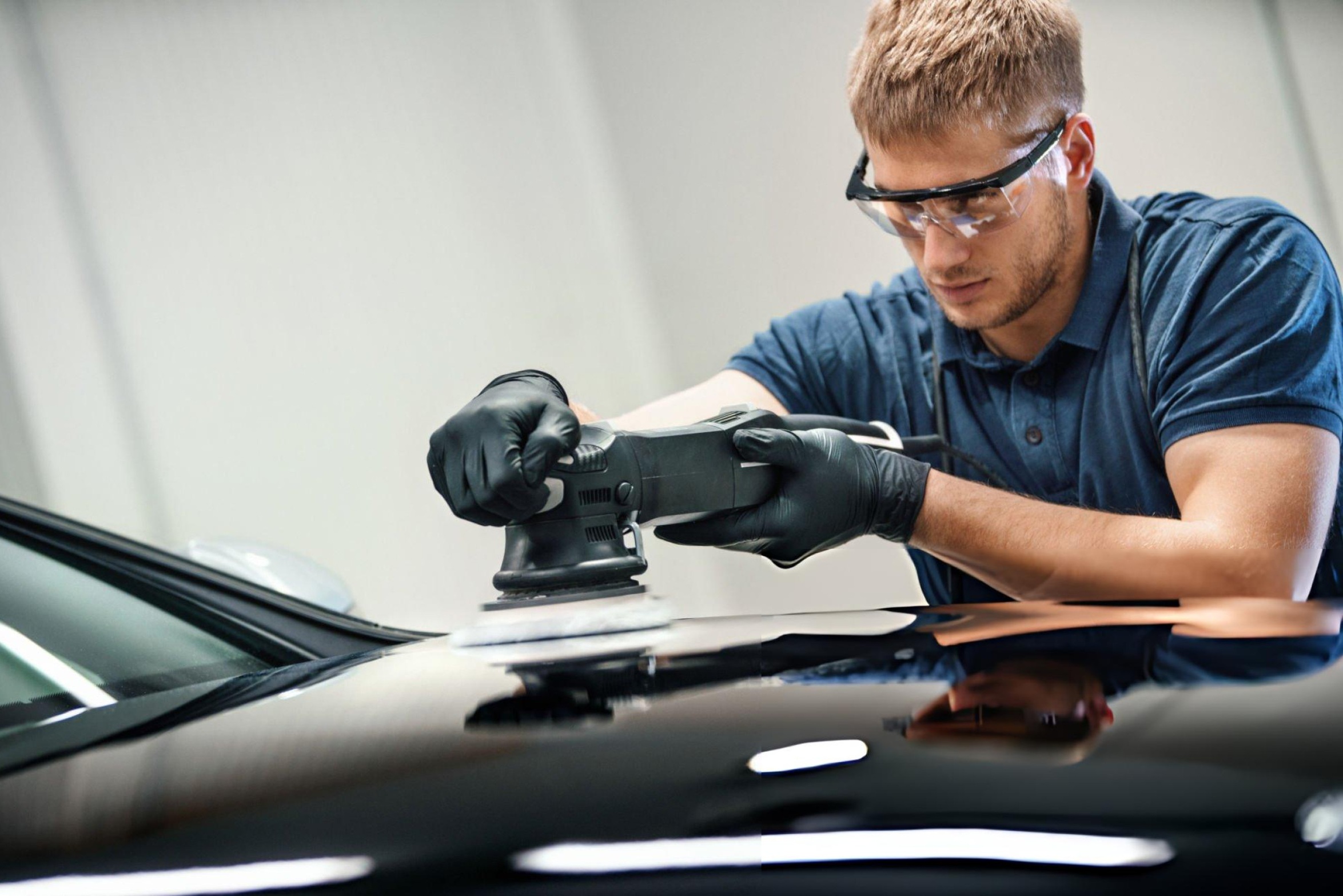
Every car owner’s dream is to have a mirror-like finish, the kind that makes the head turn at every corner. But achieving that, showroom shine isn’t just about having wax or polish; it starts with the optimal tool. Car polisher, also known as the auto buffer or an automotive buffing machine: a device that transforms dull, scratches, or oxidized paint into a smooth and glossy surface.
Not every best car polishing machine is created equally. Having that raw power of rotary car polishers while maintaining the versatile safety of dual-action models makes your detailing workflow both efficient and risk-free, and the gentle touch of orbital, often favor DA polishers for their forgiving nature, while professionals do rely on rotary machines for an aggressive paint correction. On the contrary, small polishers and cordless car polishers are best for finishing details or quick touch-ups.
Buying the right car polisher isn’t just about making a purchase; it’s an investment in your vehicle’s look, longevity, and your detailing confidence. Imagine taking your first DA polisher home and instantly seeing the unsightly swirl marks vanish from your hood, or a professional using a rotary polisher to remove years of oxidation within minutes. The difference is huge, which is why going with the right machine is critical. Let’s see the best car polisher options of 2025, their pros, cons, and how to select the perfect one for your needs.
What Is a Car Polisher and Why Does It Matter
So before we proceed further, it’s important to know what exactly a car polisher is. Sometimes it’s also called an autobuffer, polish buffer, or automotive paint polisher. It’s a machine that is made to restore shine, remove any defects, and protect your vehicle’s finish. Unlike hand polishing, which usually takes time, is prone to error, and stays inconsistent, machine polishing allows for an even application of compounds and waxes, which saves time and effort at the same time.
Car polishing tools operate by spinning a pad at high speeds, applying a polishing compound to remove any swirl marks and minimal scratches. This action smooths the clear coat and enhances overall shine, giving your car a touch of professional, showroom-quality finish. Using a vehicle polisher machine ensures consistent results while reducing human error. So if you are using a polish mop for cars, a car polishing kit, or an electric car polisher, the right tool can always turn a dull paint surface into a shiny masterpiece.
For experts and detailers who love a hands-on approach, understanding the real difference between a buffer and a polisher is crucial. A buffer is gentle and ideal for finishing, whereas a polisher actively removes any kind of defects; the right machine choice will always ensure that there’s efficiency without compromising paint integrity.
Main Types of Car Polishers
Rotary Car Polishers
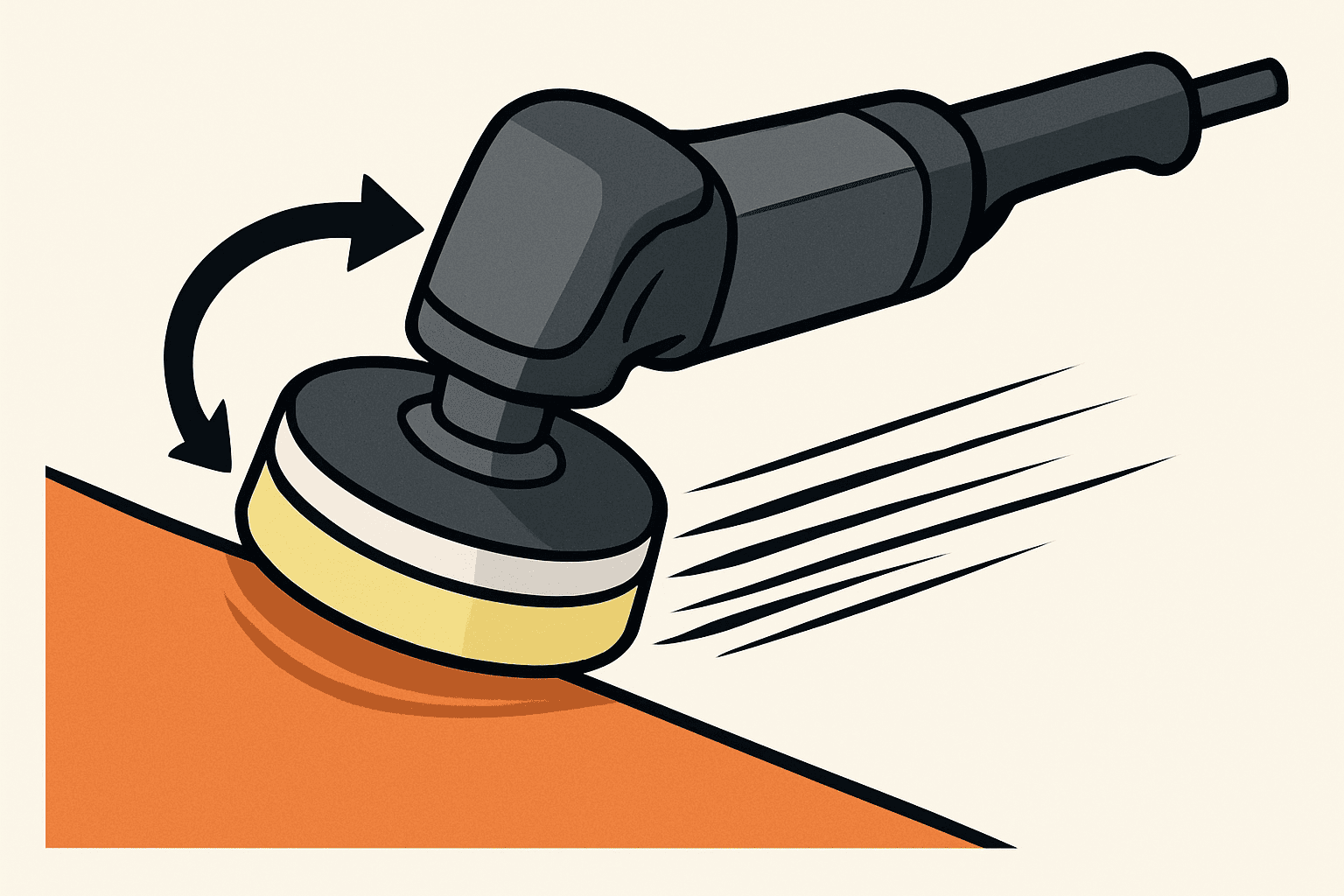
Rotary car polishers use an individual spinning motion to deliver maximum cutting power. This makes them perfect for heavy paint correction and expert-level detailing.
Vorteile:
- High cutting power for stubborn scratches and swirl marks
- Fast results for professional-grade finishes
Cons:
- High heat risk, which can damage paint if misused
- Requires skill and experience
An expert detailer can transform a neglected hood into a mirror-like surface in minutes with a rotary machine. But, beginners use rotary polishers without having proper knowledge, which risks burns or even having uneven finishes. Matching it with the right car polishing kit and pads is essential for having optimal results.
Dual-Action (DA) Polishers
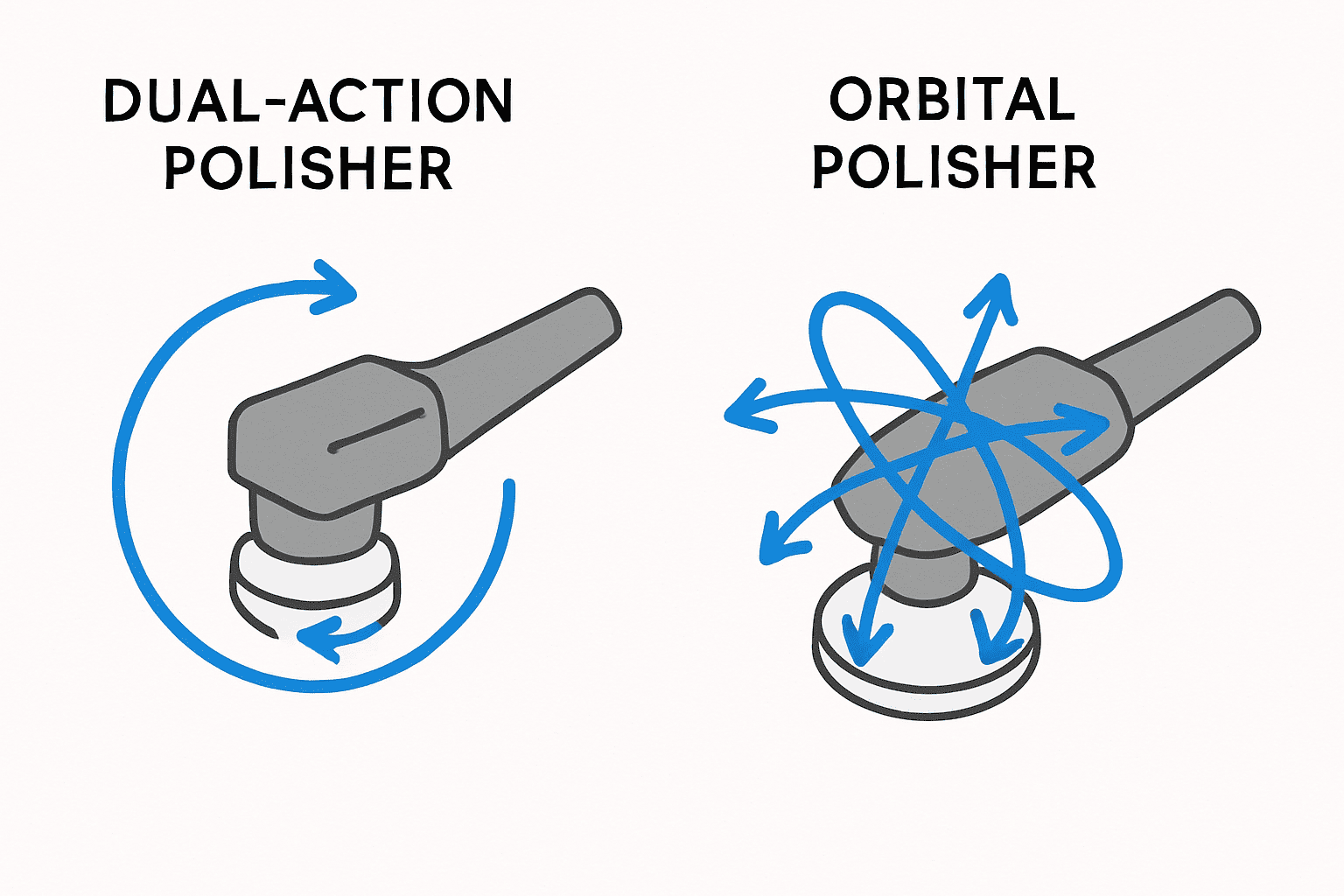
Dual-action car polishers utilize a combination of rotation and oscillation for having balanced results that are ideally safe for beginners yet effective for pros.
Vorteile:
- Minimal heat reduces swirl risk
- Safe and versatile for most users
- Suitable for both correction and finishing
Cons:
- Slightly slower than rotary polishers for heavy correction
Typically, DA polishers are seen as the best car polishing machines for most users, offering the perfect balance of safety, efficiency, and versatility. Let’s say a beginner can safely reduce and remove minimal scratches on a compact car using a DA polisher and a polish mop for cars, while still achieving a professional-looking result. Professionals do use them for having a fine finish or as part of a multi-step detailing process.
Orbital Polishers
Orbital polishers are much gentler and ideal for waxing, finishing, and minor imperfections.
Vorteile:
- Lightweight and easy to handle
- Perfect for finishing and light detailing work
Cons:
- Less effective for deep scratches or aggressive paint correction
Orbital machines are great for home detailers who want an automotive orbital polisher that’s dependable for regular maintenance. They are extremely popular for users wanting to maintain a fresh waxed finish with no risk of damaging the clear coat.
Cordless and Compact Polishers
Cordless car polishers and small polishers provide portability and convenience for mobile detailing or quick touch-ups.
Vorteile:
- Lightweight, easy to transport
- Ideal for spot repairs and outdoor use
Cons:
- Generally, less powerful than corded machines
These polishers are great when they are used with an entire car polishing kit, which makes them suitable for detailing on the go or as a finish. You also track well in small cars and even motorcycles, where fit is key.
Technical Comparison of Leading B2B Polisher Brands
For those who value the technical aspect, comparing machines from top brands such as Makita, Bosch, and Griot’s Garage highlights the differences between electric car polishers and vehicle polisher machines.
The Makita 9237C rotary polisher offers 900W of power and up to 3,000 RPM. This exceeds the threshold of standard torque levels for paint correction. The Makita 9237C’s powerful single-spin motion is ideal for polishing aggressively on a thick paint surface. Bosch GPO 14 CE dual-action polishers have variable speed control providing a combination of rotation and oscillation features, making it the most versatile and est auto polishing machine which can be used by beginners and professionals alike.
For orbital applications, Griot’s Garage 6” orbital polisher, which just weighs 2.7 kg, offers a gentle polishing ideal for finishing and waxing. As compared to industry standards and regulations, these machines stand out in cutting power, heat risk, pad size, and different ergonomics, which helps users to select the right car polishing tools that are relevant to their skills and purpose.
Rotary vs. Dual-Action vs. Orbital Comparison Table
|
Feature |
Rotary |
Dual Action |
Orbital |
|
Skill Level |
Professional |
Beginner–Pro |
Beginner |
|
Cutting Power |
5/5 |
4/5 |
2/5 |
|
Heat Risk |
High |
Low |
Very Low |
|
Best For |
Paint correction |
Everyday detailing |
Waxing/finishing |
Explore our range of car polishing machines.
How to Choose the Best Car Polisher for Your Needs
Going with the best car polishing machine depends on multiple factors, such as:
- Skill level: Beginners can use dual-action car polishers or orbital polishers, while professionals can use rotary machines for advanced correction.
- Vehicle type and paint hardness: Softer paints work well with a machine that is gentler on paint, while harder clear coats can handle rotary polishers.
- Purpose: Think about whether you’ll be doing correction, finishing polish, or waxing. A DA polisher is good for each of these jobs.
- Portability and cord options: Cordless car polishers are portable, making them easy to use for mobile detailing or for detailing cars outside. A corded polisher has the flexibility for big vehicles where a power outlet will be available.
- Accessories: It may be worthwhile to purchase a full car polishing kit that includes pads, polish mops, and compounds specifically for polishing cars.
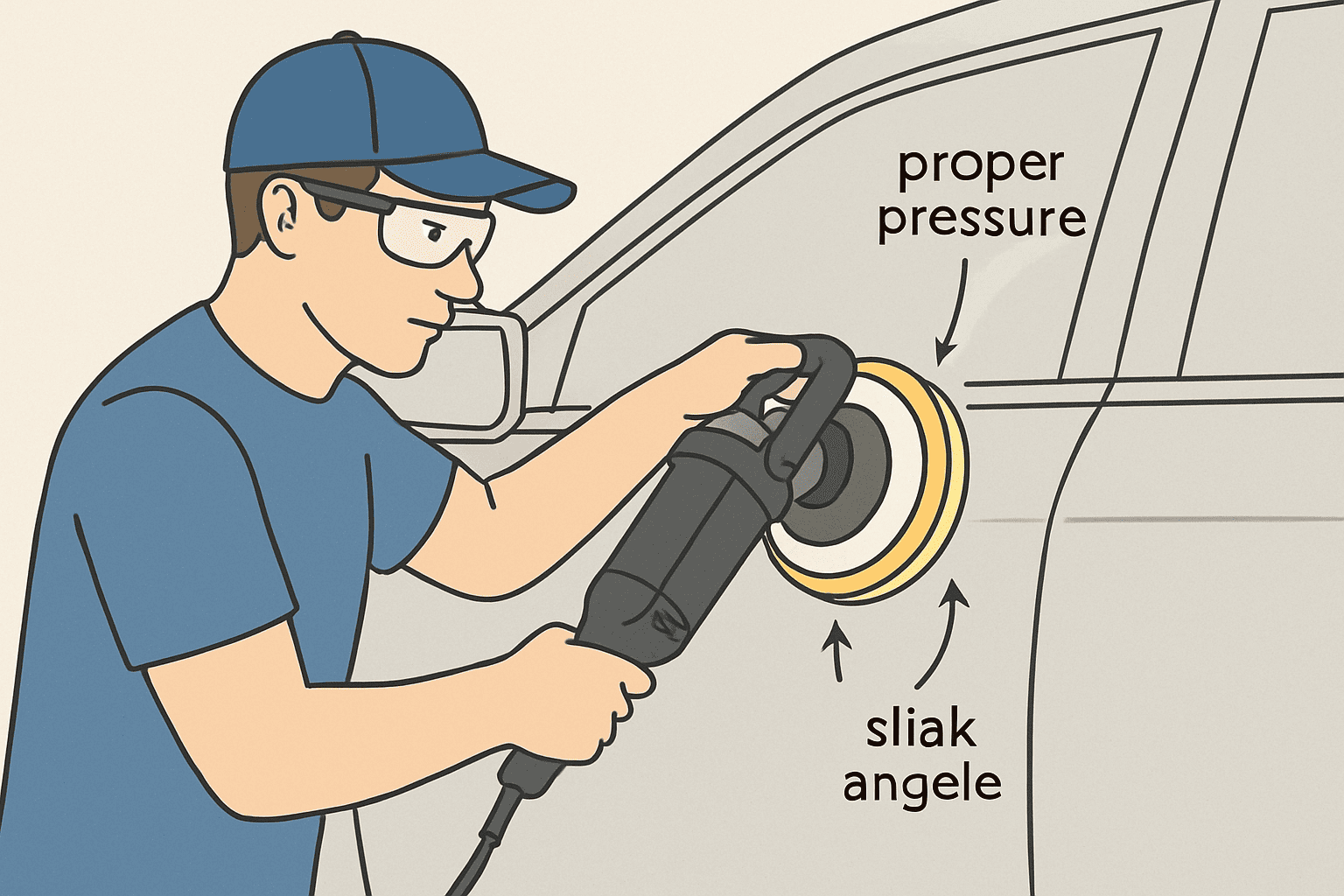
Imagine this: A beginner using a cordless car polisher can still achieve a smooth, high-gloss finish with the right technique and pressure on toughest places, like wheel arches or mirrors, giving a continuous shine without cords or power, and a professional using a rotary polisher with a complete kit can remove deep scratches easily.
External references: Auto Express and the Professional Detailing Association provide expert testing results and guidance.
See our guide to the best auto polishing machines.
Safety and Maintenance Tips
Maintaining your car polisher ensures longevity and safe use:
- Avoid polishing one area for too long to prevent heat buildup
- Match pads and compounds correctly for your machine type.
- Clean pads regularly to maintain efficiency and prevent scratches.
- Store vehicle polisher machines in a dry, dust-free environment.
- Inspect cords and battery packs on cordless car polishers regularly to ensure safe operation.
Additional tip: Rotate pads after every session to extend lifespan and maintain consistent performance across multiple polishing jobs.
Further, you can see more on Meguiar’s Official Detailing Guide.
FAQs
Is a Dual-action (DA) car polisher safe for novice users?
Yes, dual-action car polishers reduce the risk of swirl marks and limit heat, making them a safe option for beginners.
How often should I polish my car?
Light polishing for oxidation should only be done every 2-3 months. More aggressive polishing processes depend on the paint’s condition.
What is the difference between a buffer and a car polisher?
Buffers are a gentler method for finishing; car polishers remove paint defects or correct the paint in a more aggressive manner compared to a buffer.
Will cordless polishers work as well as corded ones?
Cordless car polishers are great for convenience and for spot jobs where an outlet is not available, while corded machines have an unlimited power supply.
What is the best-rated car polisher in 2025?
Dual-action polishers continue to be the most recommended for safety and versatility, but many professionals opt for rotary car polishers.
Abschluss
The right car polisher depends primarily on the detailing outcome you desire. For most users, dual-action polishers provide the safest and most efficient method of polishing. Rotary machines can provide the highest-quality correction, and orbital polishers are best for finishing, waxing, and quick maintenance. Whenever you invest in the best car polishing machine, you can guarantee not just a perfect shine but long-term protection.
Once you understand how power, pad motion, and control affect finish quality, the next step is choosing a tool that delivers all three. Maxxt Tech’s premium auto buffers and polishers are built exactly for that, giving you consistent, professional-grade results every time.
 German
  English
  Arabic
  French
  Portuguese
  Russian
  Spanish
  Turkish