

Основные выводы
- Private label offers greater control and higher margins, making it ideal for businesses that want to build their own brands.
- Wholesale enables faster market entry and lower risk, as wholesale products are already established.
- Private label requires higher upfront investment for product development, branding, and marketing, but offers higher long-term returns.
- Wholesale businesses compete primarily on pricing and distribution efficiency rather than product differentiation.
- Many businesses use both models: wholesale for steady revenue and private label for brand growth.
This guide breaks down the key differences between private label and wholesale across cost, margins, branding, risk, and scalability. Whether you’re a first-time e-commerce seller, an established retailer exploring private label, or a distributor evaluating your product strategy, this article provides a structured framework to help you decide which model—or combination of both—best fits your business goals.
What Is Wholesale?
Wholesale is a tried and tested business model whereby a business makes its money by buying products (existing brands) at a discounted price and selling them on at a profit. Products are bought in bulk directly from the manufacturer and resold to customers or retailers like Costco and Walmart, or platforms such as Alibaba and Amazon. Costco and Walmart have become private label suppliers, selling their own private label brands, with Walmart accounting for 28.2% of the private label market for consumer packaged goods.

B2B platforms like Alibaba.com and Global Sources serve as marketplaces where international buyers can purchase and resell wholesale products made by Asian manufacturers.
What Is Private Label
With private label, a business sells its own brand. A business can either find an OEM (original equipment manufacturer) to produce a product according to its specifications, or one that produces generic products (ODM – original design manufacturer), which the business can buy and then sell as its own product with its own branding.
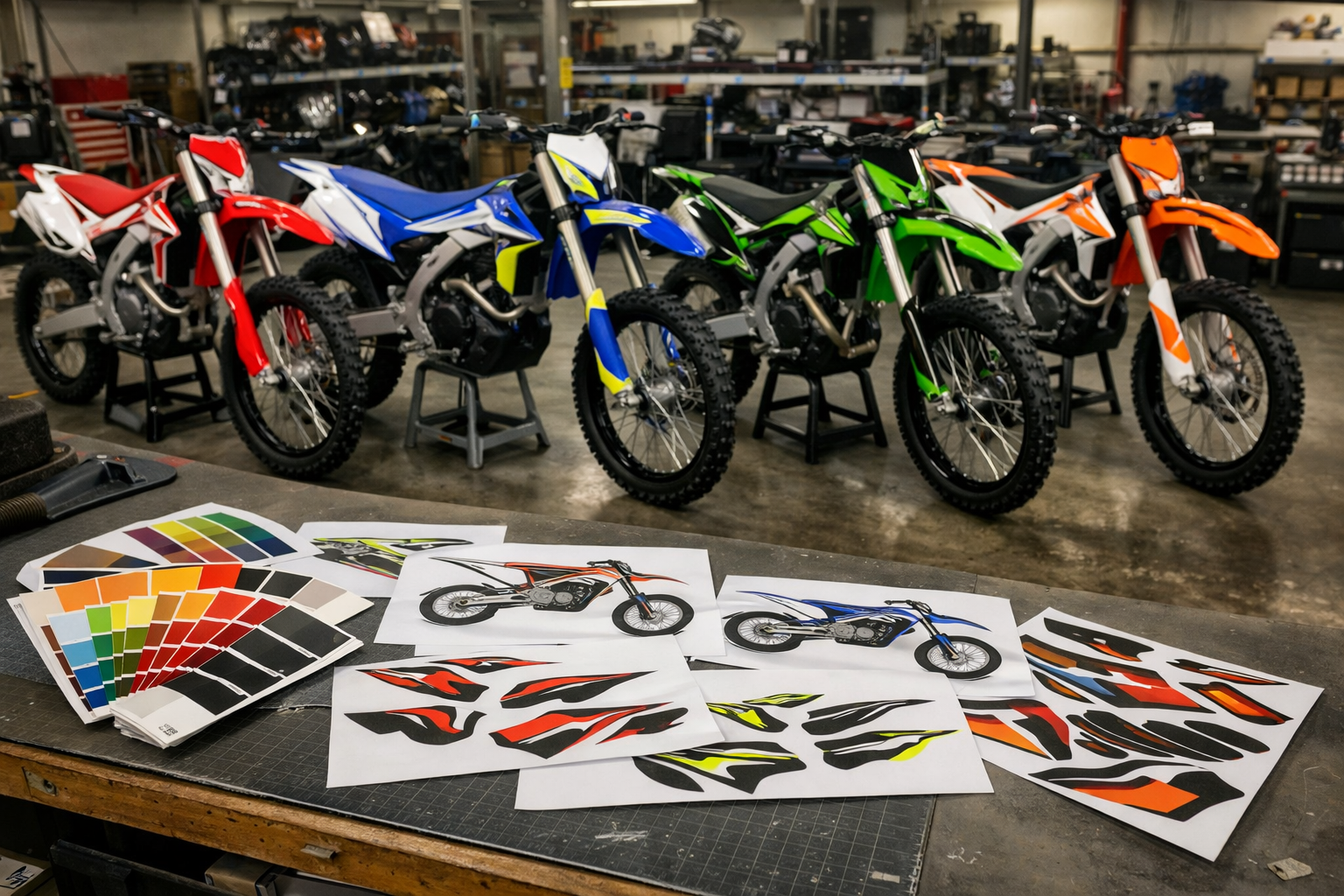
Private label products are often high-quality products sold at lower prices, accounting for their popularity as superior value compared to national brands.
Private Label vs Wholesale – Key Differences
Private label and wholesale differ fundamentally in brand ownership, margin potential, risk level, and scalability—here’s a side-by-side comparison.
| Фактор | Private Label | Wholesale |
| Business Model | Sell products manufactured for you but branded by you | Resell established brands bought in bulk from manufacturers |
| Brand Development | Full control over branding, packaging, and positioning | No control over branding |
| Differentiation | High – products can be customized for specific target audiences | Low – same products sold by multiple sellers |
| Upfront Investment | Higher due to product development, branding, and packaging | Lower – no product development and branding costs. |
| Time to Market | Slower due to product development and marketing | Faster since wholesale products are established and ready for sale |
| Risk Level | Higher initial risk if products fail due to misalignment, manufacturing problems, etc. | Lower risk; can choose to sell proven products; no money risked on development. |
| Operational Complexity | Higher (supplier coordination, market research, branding) | Lower, comes down to logistics and sales |
| Scalability | High — brand equity compounds over time | Limited — growth dependent on supplier pricing and availability |
| Customer Loyalty | Strong – with the right private label product and marketing customer loyalty will follow | Weak — loyalty is attached to the original brand |
| Best Choice When | Building a long-term brand and higher-margin business | Building a business through quick market entry, with limited-risk and revenue generation |
| Example Scenario Compared | Launching a skincare line with unique branding and packaging | Selling an established skincare line with existing branding |
Commercial Factors to Consider When Choosing Between Private Label and Wholesale
Before committing to private label or wholesale, evaluate your product category, competitive landscape, target margins, and regulatory exposure — these four factors determine whether your chosen model will be profitable and scalable.
Choosing the Product Category
Consistent, year-round demand is the single most important criterion when selecting a product category for either model.What you don’t want are seasonal or trendy products. In fact, most trend-driven products that go viral on social media fail within a few months.
Use Google Trends and marketplaces to find bestsellers and products with year-round demand.
Keep in mind, the best private label products are those with consistent demand, while trendy products with short-term demand work well as wholesale products.
Competitive Landscape and Market Saturation
In saturated categories, wholesale sellers face inevitable price wars, while private label brands can escape commoditization through differentiation.For wholesale businesses, it often leads to price wars and margin erosion. In saturated markets, private label has a better chance at succeeding by differentiating itself with new and unique products, innovative branding, and unique positioning.
If multiple sellers already offer similar private label products in your category, enter only if you can position yours distinctly — for example, as organic, clinical-grade, or premium — in a space where such options are clearly absent.
Determining Margin and Pricing
Wholesale margins are largely supplier-determined, typically leaving 10–20% after costs. Private label margins require careful calculation: add manufacturing, packaging, shipping, duties, and marketing spend to arrive at your landed cost, then compare it against your target retail price. A healthy private label product should deliver at least a 40% gross margin to absorb marketing costs and remain profitable.
For a solid private label product, a 40% margin is an acceptable target. When determining your potential margin, you need to know the typical retail price vs landed cost, and whether customers are likely to pay a premium for private label products branded as high-quality.
Кончик: Personal care subcategories — particularly bath & body, oral care, and sun care — show strong private label performance, as consumers increasingly accept store-brand alternatives in these segments.
Regulatory and Compliance Considerations
Certain private label categories — supplements, baby products, cosmetics, electronics — carry significant regulatory and compliance requirements, including certifications, labeling standards, and import restrictions. These add cost and complexity, but also act as a barrier to entry: fewer competitors are willing to navigate them, giving compliant brands a structural advantage. With wholesale, the original manufacturer typically holds the necessary certifications, reducing your compliance burden.
Private Label vs Wholesale: Cost Structure and Financial Considerations
Choosing between wholesale and private label is, in essence, a financial decision that determines how much your initial outlay will be to start your business and when you can expect to start earning.
| Financial Factor | Wholesale | Private Label | Strategic Implication |
| Initial Investment | $1,000 – $3,000 (inventory only) | $2,500 – $6,000 (inventory) + $500 – $1,000 (branding, packaging, trademarks) | Private label involves more upfront capital and planning |
| Cash Conversion Cycle | Short — turnover is fast due to established demand | Longer — it can take 3 to 6 months to break even | Wholesale delivers cash flow faster, but private label delivers higher returns in the long run |
| Time to Profitability | Wholesale lead time is around 30 – 60 days | Private label lead time is 3 – 6 months to break even | Wholesale offers quicker returns; private label demands patience, and sustained investment |
| Manufacturing Costs | Manufacturing costs are already worked into the price | Private label manufacturing costs add to the final purchasing price | Manufacturing costs must be kept to a minimum to ensure the product is affordable |
| MOQ | Low to moderate (flexible, smaller batches possible) | High (500–5,000+ units per SKU) | Higher MOQs in private label requires more upfront capital and inventory, increasing risk; wholesale offers flexibility less risk |
| Profit Margins | Wholesale profit margin 10% – 20% (more predictable) | 25% – 40% (higher but variable) | Private label offers stronger margins, but involves more risk and financial outlay |
| Marketing Investment | Minimal — existing demand | High — requires PPC, promotions, and launch campaigns | Success depends on sustained marketing efforts |
| Long-Term Financial Value | Limited — no brand equity created | High — builds a scalable brand asset over time | Private label contributes to business valuation; wholesale does not |
Real-World Example of Private Label and Wholesale
Private label and wholesale are not mutually exclusive—many successful businesses combine both approaches to achieve profitability and ensure product diversity.
JD.com is an excellent example of a company that operates a hybrid model. The business distributes wholesale products from established domestic and international brands and also developed its own private label products in electronics and household goods. JD.com has huge data and logistics infrastructures that allow it to deal in high-volume wholesale products as well as private label products.
Alibaba Group, on the other hand, doesn’t operate either model, but provides the infrastructure for both business strategies to scale by connecting manufacturers, distributors, and brand owners in one ecosystem.
Which Model Should You Choose?
The right model depends on your capital, risk tolerance, timeline, and brand-building ambitions. Use the criteria below to identify your best fit.
Choose Private Label If You
- Are passionate about building your own brand, but don’t want to manufacture the product.
- Have a long-term vision for building a sustainable brand.
- Sufficient resources to invest in product development and marketing.
- Have the patience and staying power to wait for a return on your investment.
- Want complete control over branding and marketing.
Choose Wholesale If You
- Don’t have the capital for product development and marketing.
- Are risk-aversive.
- Want faster returns.
- Understand the market, supplier relationships, and existing product movements.
- You are not interested in brand building and product development.
Consider a Hybrid Approach If You
- Want to balance risk and return by operating both wholesale and private label products.
- Want to use wholesale to test market demand for the type of product you want to develop.
- Want to leverage income from wholesale to fund private label development costs.

Заключение
One choice is not better than the other; in the end, it depends on your business goals: do you want fast market entry and predictable revenue, or do you have a long-term goal to create a completely new brand?
If you are after fast market entry and predictable revenue, МаксXT should be your manufacturer of choice. MaxXT is a recognized manufacturer and supplier of top-quality wall and auto power tools, the ideal partner for dealerships and power tool distributors. Contact our office today to take the first step toward becoming a preferred distributor of wall and auto power tools.
Часто задаваемые вопросы
Is private label more profitable than wholesale?
Generally, yes. Private label gross margins typically reach 40–70%, versus 10–20% for wholesale, because you control pricing and branding. However, private label requires higher upfront investment. If your budget is limited and you need faster cash flow, wholesale can be more practical in the short term.
Can I sell both private label and wholesale products at the same time?
Yes. Many sellers start with wholesale to generate revenue and learn marketplace dynamics, then reinvest profits into a private label line once they identify a strong differentiation opportunity. Keep the two operations separate in your accounting to track which model delivers better returns.
What types of products work best for private label vs. wholesale?
Products with year-round demand and room for differentiation — such as personal care, supplements, and home goods — suit private label. Trend-driven or seasonal products, like licensed merchandise or fashion accessories, work better as wholesale since you can move inventory quickly without long-term brand risk.
What are some of the biggest challenges for wholesale operations?
Finding products in a saturated market and finding reliable manufacturing facilities.
How can I grow a successful private label brand?
Choose a category with clear demand, identify a gap in positioning, such as quality, pricing, or uniqueness, and develop a product that meets or exceeds customer expectations.
 Russian
  English
  Arabic
  French
  German
  Portuguese
  Spanish
  Turkish